


 Deutsch
 English
 Español
 Français
 Nederlands
 Português


 Share
Share




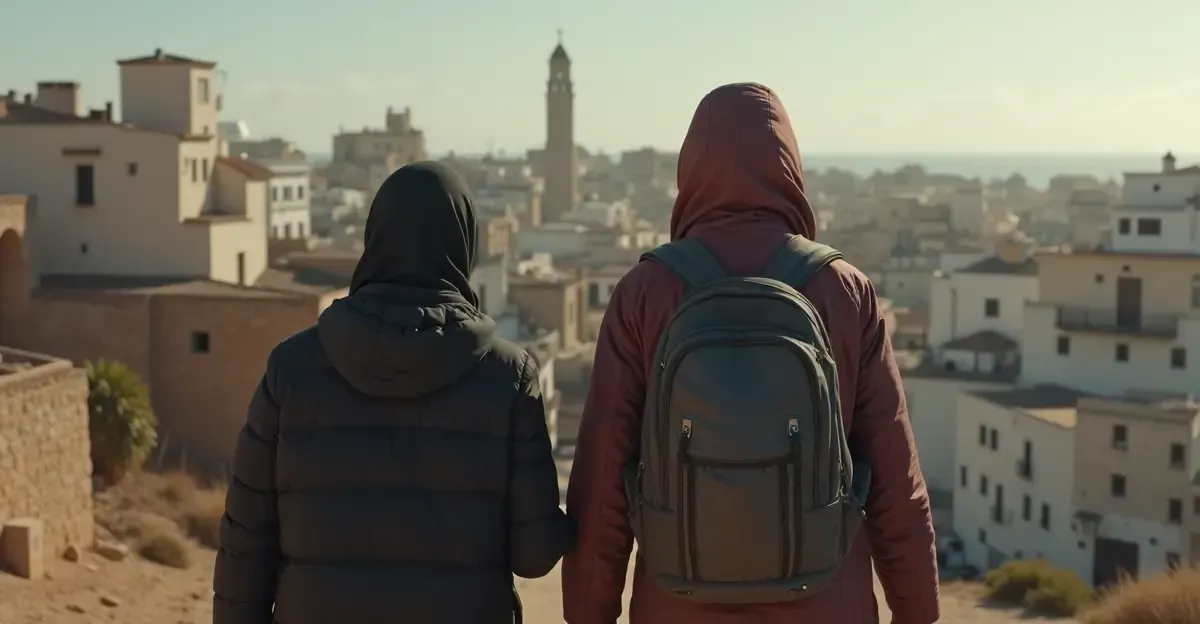
In a dramatic about-face, European Union interior ministers praised Spain's handling of the Ceuta border crisis on Tuesday following an emergency video conference convened after days of sharp criticism. The meeting came after an estimated 72,000 migrants breached the Spanish enclave's border from Morocco between July 30 and 31, sparking the largest single migration event in the EU in decades.
What Triggered the Ceuta Emergency Summit?
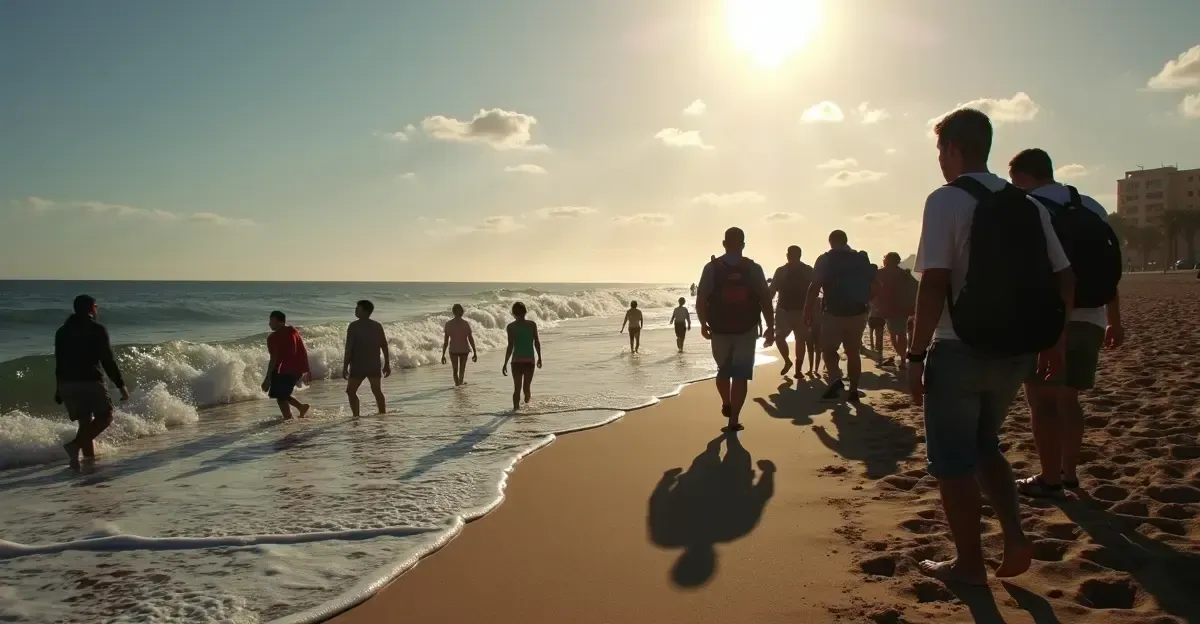
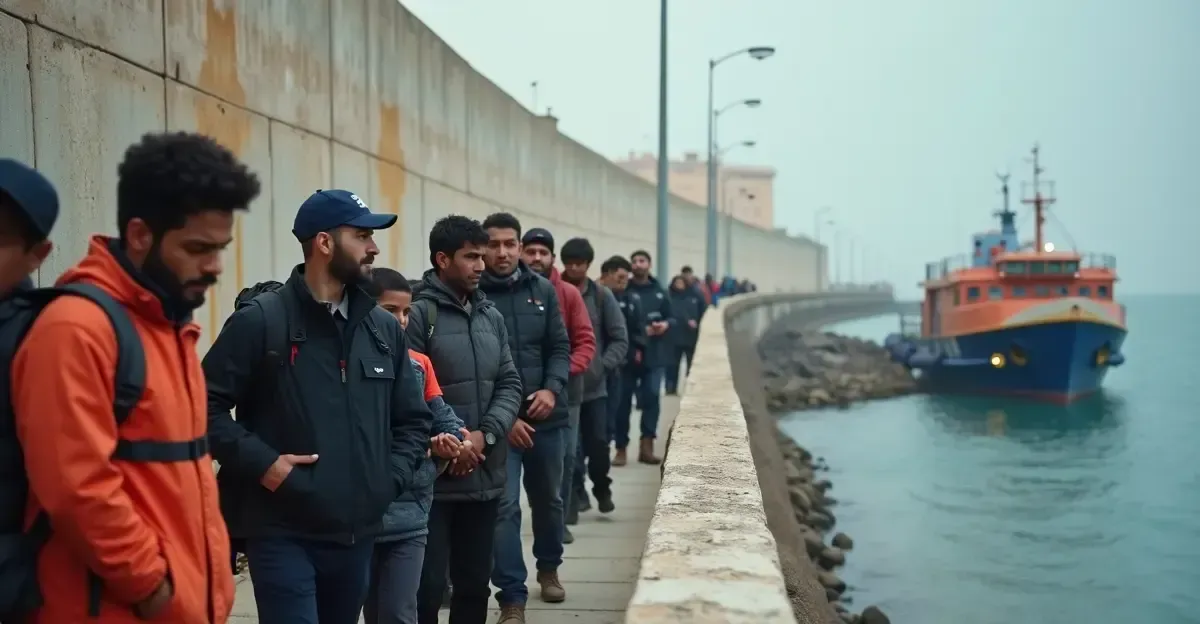
The crisis erupted when tens of thousands of people, mostly Moroccan nationals but also including asylum seekers from Sudan, Yemen and West Africa, surged across the land border or swam into Ceuta after calls spread on social media. Within 48 hours, the enclave's population nearly doubled, overwhelming reception centres and leaving many migrants sleeping on beaches and streets. At least 75 people died, many drowning in the Mediterranean or crushed in a stampede at a breakwater barrier.
The initial European response was fractious. Italy, Denmark and Finland led calls for Spain to be temporarily suspended from the Schengen free-travel zone, while 22 member states signed a letter implicitly blaming Madrid's plan to regularise 500,000 undocumented migrants as a "pull factor." Italian Interior Minister Matteo Piantedosi reintroduced border checks with Spain, and far-right European politicians descended on Ceuta, calling the influx an "invasion."
Spanish Prime Minister Pedro Sánchez reacted furiously, accusing critics of basing their attacks on "prejudices, fake news and political interests." In a letter to Commission President Ursula von der Leyen, Madrid demanded solidarity rather than recrimination.
From Recriminations to Solidarity
The emergency meeting marked a turning point. EU Migration Commissioner Magnus Brunner declared that the bloc had passed a critical test. "The past few days were a test for European resilience and a test for the security of our external borders," Brunner said. "No one managed to enter the Schengen area, and security at the border was quickly restored."
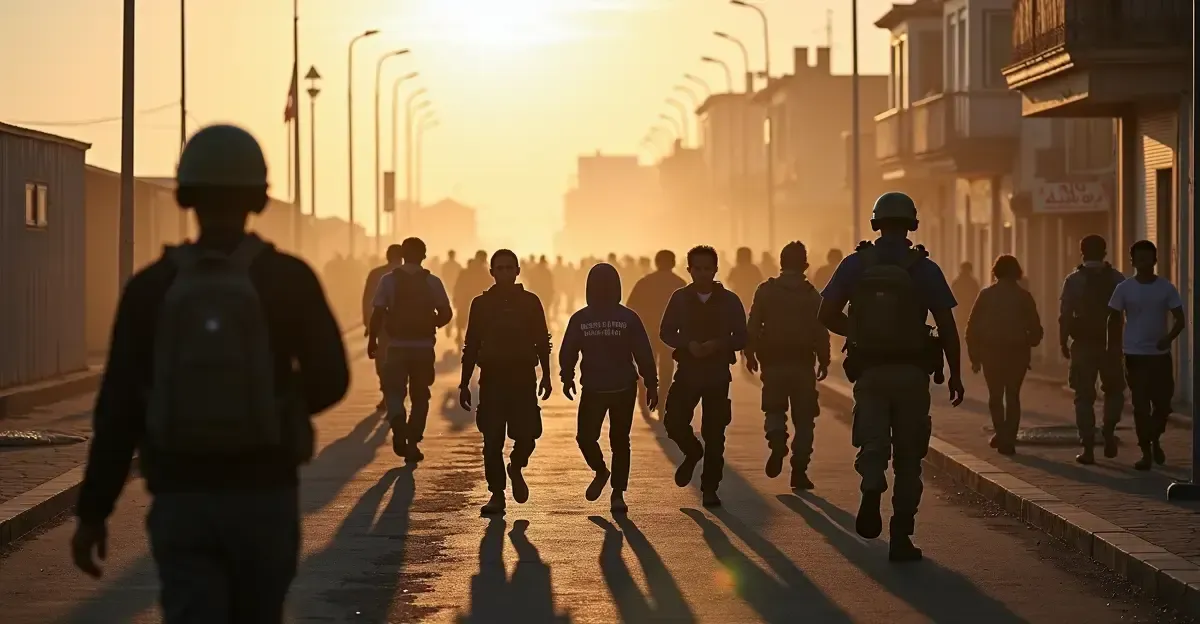
All member states expressed "full solidarity" with Spain, commending its swift restoration of order. Of the 72,000 who entered Ceuta, around 70,000 have since returned to Morocco, according to Spain's Interior Ministry. The remaining 3,000–5,000, including 862 unaccompanied minors, are being processed at overwhelmed reception facilities.
Dutch Asylum Minister Bart van den Brink (CDA), who attended the meeting, acknowledged the unprecedented nature of events. "This was an unparalleled situation," he said, while noting that Spain did not clarify whether the remaining migrants had been given access to asylum procedures.
Five-Point Plan and Unanswered Questions
Ministers endorsed a five-point plan proposed by von der Leyen to strengthen EU external borders, including early-warning systems, enhanced Frontex border agency coordination and anti-smuggling operations. Brunner stressed that the bloc must not be caught off guard again, pointing to the role of social media disinformation and human trafficking networks in orchestrating the mass crossing.
Yet significant questions remain. How did Spanish and Moroccan intelligence fail to detect the social media campaigns that mobilised the migrants? What role did Russian disinformation play, as Brussels now investigates? And were the rapid returns to Morocco conducted with adequate individual protection assessments—a point challenged by Human Rights Watch, which alleged "mass pushbacks" without due process.
Death Toll and Humanitarian Fallout
The human cost has been devastating. Spanish authorities confirmed at least 75 fatalities—72 on the Spanish side and 11 on the Moroccan side—with the toll expected to rise. Many victims drowned while swimming around the border fence at low tide; others were trampled. The 2026 Morocco–Spain border incident now ranks among the deadliest migration events in recent European history, surpassing the 2022 Melilla tragedy that killed 23.
Implications for EU Migration Policy
The crisis has pushed migration back to the top of the European agenda. Italy renewed calls for EU-funded deportation hubs in non-EU countries, while Greece demanded emergency asylum suspensions. Brunner resisted such measures, defending the EU migration pact. The Commission is expected to propose new measures in September, including a possible expansion of border security and surveillance technologies.
For now, the immediate political storm has passed. Even Italy, which had attacked Spain online throughout the crisis, expressed appreciation for Madrid's handling of the situation. But the underlying tensions—between frontline states and northern critics, between solidarity and self-interest—remain unresolved. "Better communication is needed to prevent the EU from being split apart," the ministers concluded.
FAQ: Understanding the Ceuta Border Crisis
What is Ceuta and why is its border so contested?
Ceuta is a Spanish autonomous city on the North African coast, bordering Morocco. It forms one of only two land borders between the EU and Africa, making it a focal point for irregular migration. The 6-metre-high border fence, topped with barbed wire and equipped with motion sensors and cameras, has been repeatedly breached over the years.
How many migrants entered Ceuta in the July 2026 crisis?
Spanish authorities estimate between 60,000 and 72,000 people crossed into Ceuta between July 30 and 31, 2026—roughly doubling the enclave's population in 48 hours. By August 4, approximately 70,000 had returned to Morocco, leaving 3,000–5,000 still in the territory.
What caused the mass crossing?
Morocco's Interior Ministry attributed the surge to misinformation and human trafficking networks that exploited social media to mobilise migrants. The EU is investigating possible Russian disinformation campaigns. Observers also point to Spain's recent announcement of a migrant regularisation scheme as a potential pull factor.
What did the EU emergency meeting decide?
Interior ministers expressed solidarity with Spain, endorsed a five-point border security plan, and committed to better communication to avoid future divisions. They did not suspend Spain from Schengen, as some had demanded. The Commission will review further measures in September.
Were human rights respected during the returns?
Human Rights Watch has raised concerns that the rapid returns to Morocco may have amounted to unlawful mass expulsions without individual asylum assessments. Spain insists the returns were voluntary, but the Moroccan Association for Human Rights disputes this and has reported violence by residents and excessive force by security forces.


Follow Discussion